At a glance
Consistent social media comes from a system that turns business knowledge into useful content. Define a few repeatable themes, create an approval rhythm, and measure actions that connect to the business rather than chasing every trend.
Choose useful content pillars
Start with customer questions, proof of work, practical education, behind-the-scenes expertise and clear offers. Each pillar should have a job. Education builds understanding; proof reduces risk; offers help a ready buyer take action.
Create a simple monthly calendar with space for timely posts. A system should create consistency without turning every week into a scramble for ideas.
Build an approval workflow
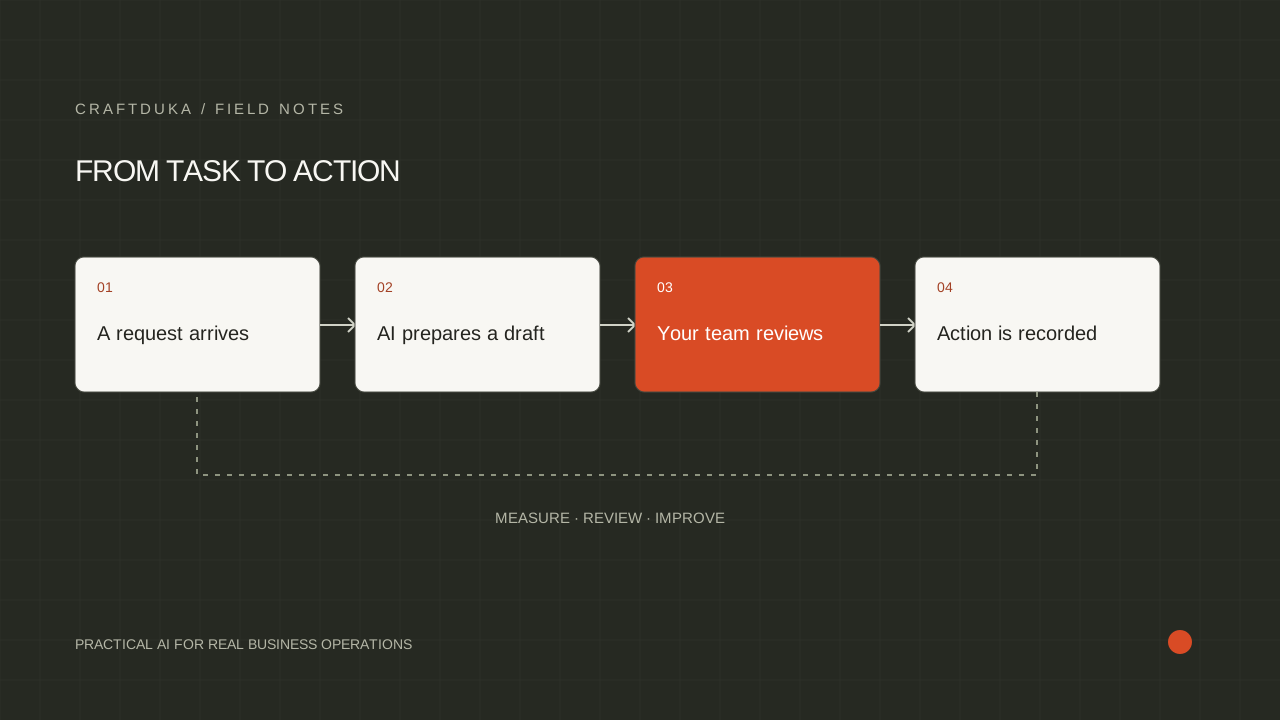
Define who drafts, who checks facts and brand voice, who approves claims, and who publishes. Keep the source asset, caption, platform, publish date and approval status together.
Create a short escalation list for sensitive topics, customer complaints, partnerships and promotions. Clear escalation prevents delays and accidental posts.
Measure actions, not just attention
Track profile visits, link clicks, enquiries, booked calls and qualified conversations. Label campaign links so the team can connect activity with website and CRM outcomes.
Use monthly reviews to decide what to repeat, refine or stop. Good reporting explains what happened and what the team should do next.
Key takeaways
- Use content pillars that reflect customer questions and commercial priorities.
- Separate drafting, approval, publishing and response ownership.
- Review enquiries, saves, clicks and qualified conversations alongside reach.
Frequently asked questions
How many platforms should a small business manage?
Start with the platforms where the target customers already pay attention and where the team can respond reliably. A strong system on two platforms is usually better than an inconsistent presence everywhere.